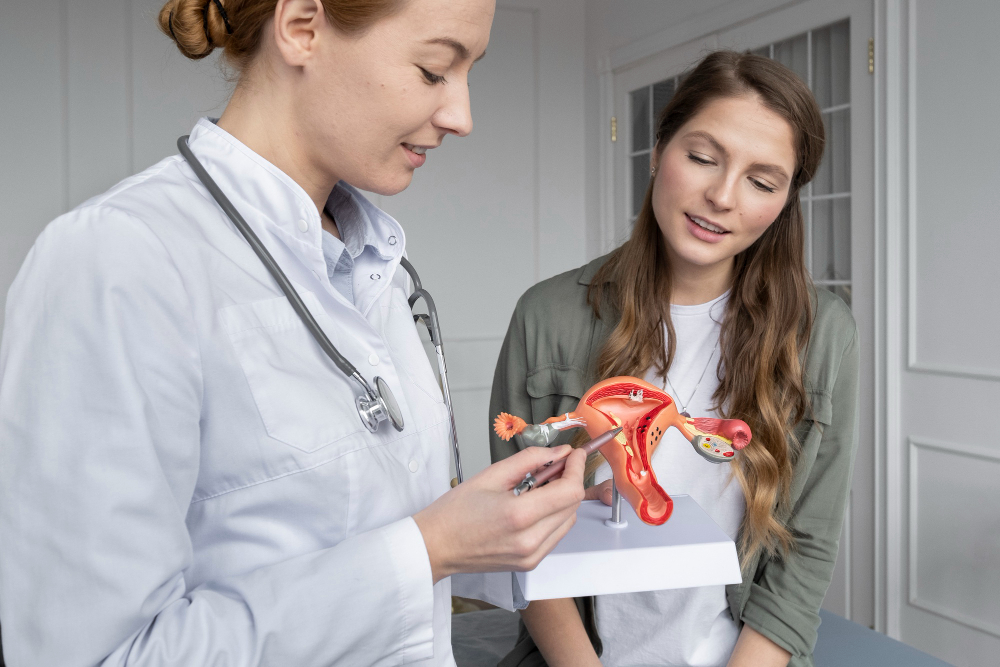
What Is Cervical Cancer?
Cervical cancer starts in the cells of the cervix. The cervix is the lower part of the uterus that connects to the vagina. Most cases are caused by certain types of the human papillomavirus (HPV). However, not all HPV infections lead to cancer. Often, the body clears the virus on its own. But sometimes, the infection can last and cause changes in the cervix. Over time, these changes may turn into cancer.
Why Are Cervical Cancer Screenings Important?
Cervical cancer screening can find changes in the cervix before they become cancer. Early detection is key. If doctors find problems early, treatment is easier and more effective. In fact, regular screenings have greatly reduced deaths from cervical cancer. According to the CDC, most cervical cancers can be prevented with routine screening and follow-up care.
Who Should Get Screened and When?
Screening guidelines may vary, but most experts recommend:
However, talk to your doctor about what is best for you. Some women may need more frequent tests.
Common Screening Methods
There are two main ways to screen for cervical cancer:
Sometimes, both tests are done together. Your doctor will help decide which test is right for you.
Benefits of Early Detection
Early detection of cervical cancer saves lives. When found early, cervical cancer is easier to treat. In many cases, doctors can remove abnormal cells before they become cancer. As a result, regular screening lowers your risk of serious illness and death. In addition, it gives you peace of mind.
How to Prepare for a Screening
Getting ready for a cervical cancer screening is simple. Here are some tips:
Most importantly, relax and ask your doctor any questions you have.
Addressing Common Fears and Misconceptions
Many women worry that cervical cancer screening will hurt. However, most people feel only mild discomfort. The test is quick and safe. Some think they do not need screening if they feel healthy. But early changes in the cervix often cause no symptoms. Therefore, regular screening is important even if you feel fine.
Prevention Tips and Healthy Lifestyle Guidance
Besides screening, you can lower your risk of cervical cancer by:
These steps help protect your health in many ways.
Take Action for Your Health
In summary, cervical cancer screening can save your life. Early detection means better treatment and outcomes. Therefore, consult Dr. Harmanpreet Kaur to learn more about cervical cancer screenings and schedule your next appointment.