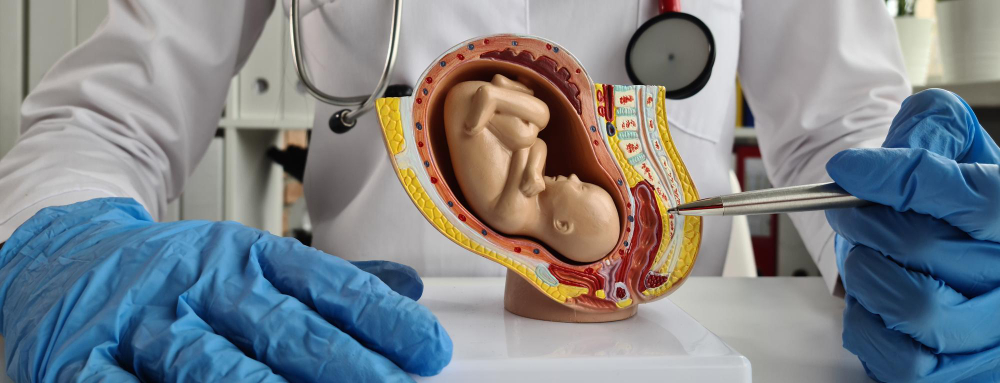
What is Placenta Previa?
Placenta previa is a pregnancy complication. In this condition, the placenta covers part or all of the cervix. The placenta is an organ that gives your baby food and oxygen during pregnancy. Usually, it sits high in the uterus. However, with placenta previa, it is lower and blocks the birth canal. This can cause problems during pregnancy and delivery. Many women search for information on placenta previa symptoms and placenta previa treatment. Early care is important for a healthy pregnancy.
Causes of Placenta Previa
Doctors are not always sure why placenta previa happens. Still, some factors can raise the risk. For example, women who have had surgery on their uterus may be more likely to get it. In addition, women who have had placenta previa before are at higher risk. Other causes and risk factors include:
Because these factors can increase risk, it is important to share your medical history with your doctor.
Symptoms of Placenta Previa
Placenta previa often causes painless bleeding during pregnancy. This bleeding usually happens after 20 weeks. However, not all women will have symptoms. Some may notice:
Sometimes, there are no signs until a routine checkup. If you notice any bleeding during pregnancy, call your doctor right away. Early care can help prevent serious problems.
Diagnosis of Placenta Previa
Doctors use ultrasound to check for placenta previa. This test uses sound waves to make pictures of your baby and placenta. Sometimes, a second ultrasound is needed later in pregnancy. In rare cases, an MRI may help confirm the diagnosis. Because placenta previa can change as the uterus grows, doctors may check more than once. Regular prenatal visits are important for early detection.
Treatment and Care for Placenta Previa
Treatment depends on how much of the cervix is covered and how far along you are. In many cases, doctors suggest rest and avoiding heavy activity. If bleeding is light, you may need to stay home and rest. However, if bleeding is heavy, you might need to stay in the hospital. Treatment options include:
Because each case is different, your doctor will make a plan that is best for you and your baby. In many cities, hospitals have special care units for high-risk pregnancies.
Prevention and Lifestyle Tips
While you cannot always prevent placenta previa, some steps may lower your risk. For example, quitting smoking can help. Also, regular prenatal care is important. Here are some tips:
Because early care can make a big difference, always talk to your doctor about any concerns.
Conclusion
Placenta previa can be scary, but with the right care, most women have healthy babies. If you notice any bleeding or have questions about placenta previa, consult Dr. Harmanpreet Kaur for personalized advice.