Introduction
Pelvic pain in women is a common health concern. It refers to discomfort felt in the lower belly area, below the navel and between the hips. For many women, this pain can affect daily life. Sometimes, it is mild and goes away quickly. Other times, it can last longer and become severe. Because pelvic pain in women can have many causes, understanding the reasons is important. According to the World Health Organization (WHO), pelvic pain can impact both physical and emotional well-being.
Common Causes of Pelvic Pain in Women
Many conditions can lead to pelvic pain. Some causes are minor, while others may need medical care. Below are some of the most common causes of pelvic pain in women:
Additionally, other causes such as sexually transmitted infections or muscle strain may play a role. Because the causes of pelvic pain in women are varied, it is important to pay attention to your symptoms.
Symptoms Associated with Pelvic Pain
Pelvic pain can feel different for each woman. For example, some may notice a sharp, stabbing pain. Others may feel a dull, constant ache. Sometimes, the pain comes and goes. In some cases, it may get worse during certain activities, such as walking or having sex.
Other symptoms can occur with pelvic pain, including:
However, if your pain is sudden, severe, or lasts more than a few days, it may signal a serious problem. According to the Centers for Disease Control and Prevention (CDC), some symptoms need quick medical attention.
Diagnosis of Pelvic Pain
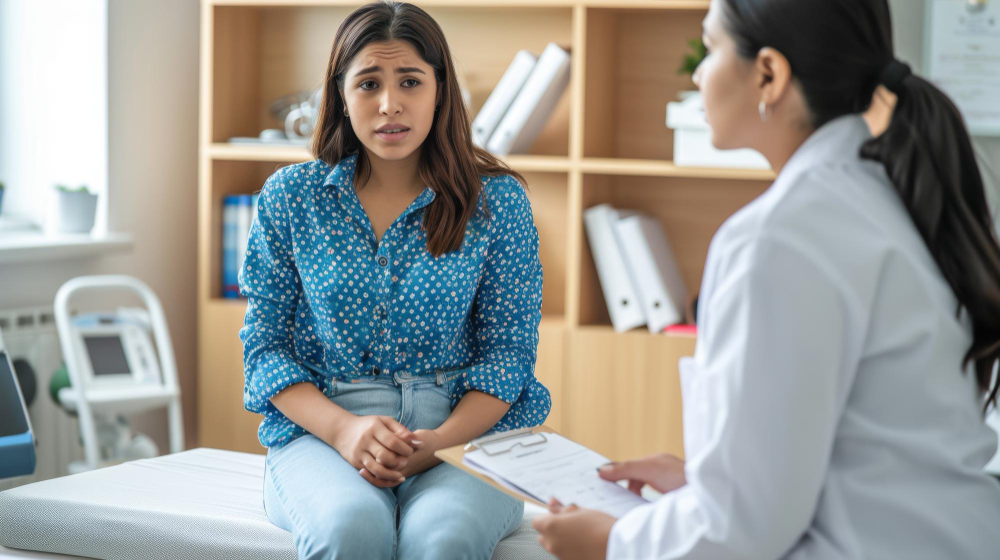
When you visit a gynaecologist for pelvic pain, they will ask about your symptoms and medical history. Next, they may do a physical exam. Sometimes, tests are needed to find the cause. These may include:
Because pelvic pain in women can have many causes, your doctor may suggest more than one test. This helps them find the right treatment for you.
When to Consult a Gynaecologist
Sometimes, pelvic pain is mild and goes away on its own. However, there are times when you should see a gynaecologist. You should seek help if you have:
In addition, if you are pregnant and have pelvic pain, contact your doctor right away. Early care can help prevent complications.
Prevention and Lifestyle Tips
While not all pelvic pain can be prevented, some steps may help reduce your risk. For example, you can:
Sometimes, using a heating pad or taking over-the-counter pain relief can help mild pain. However, always talk to Dr. Harmanpreet Kaur before starting new treatments.