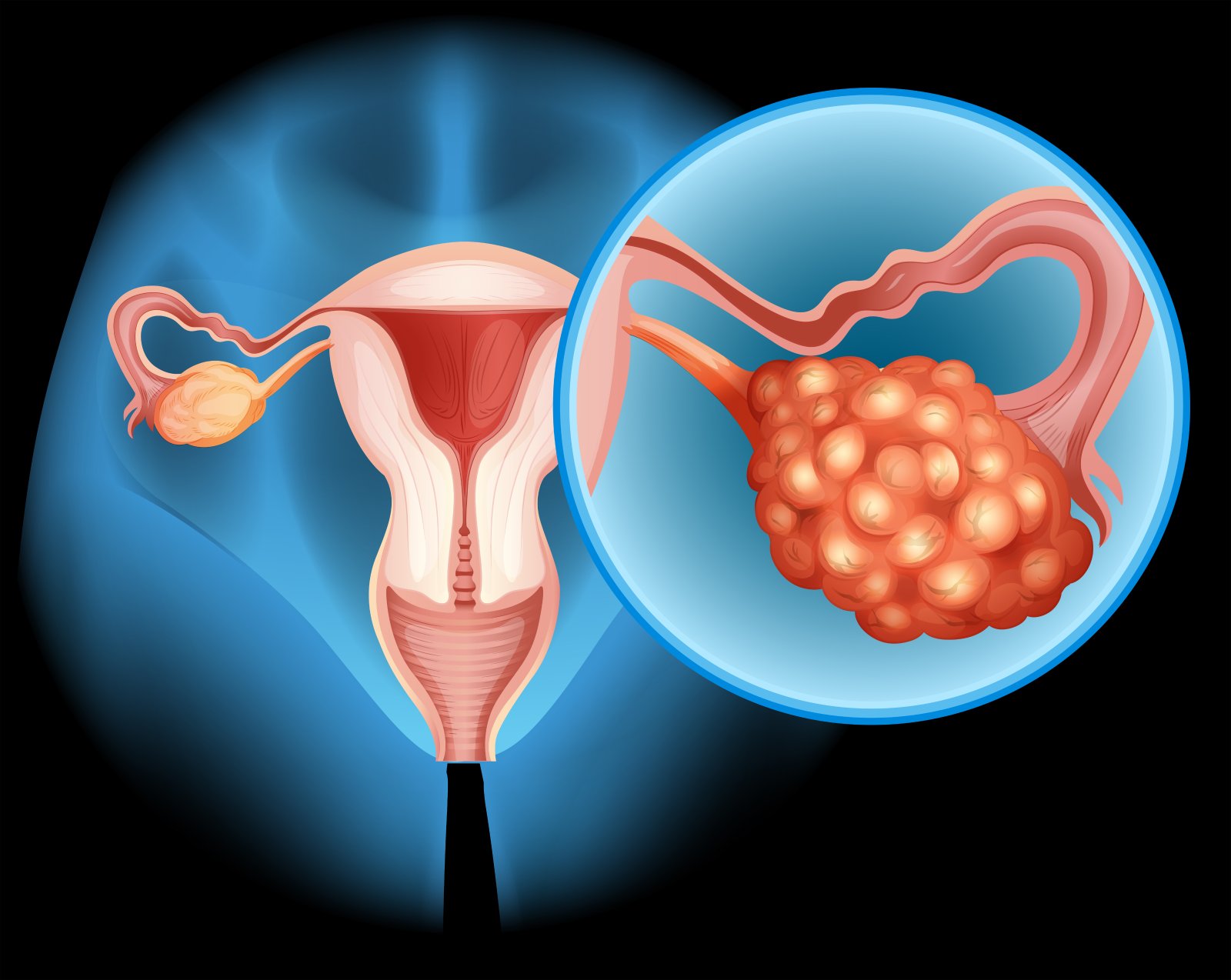
What Are Ovarian Cysts?
Ovarian cysts are fluid-filled sacs that form on or inside a woman’s ovaries. Most cysts are harmless and may go away on their own. However, some can cause discomfort or health problems. Ovarian cysts are common, especially during childbearing years. According to the World Health Organization, many women will have at least one cyst in their lifetime. While most cysts do not cause symptoms, some may need medical attention.
Common Symptoms of Ovarian Cysts
Many women with ovarian cysts have no symptoms. Still, some may notice changes in their bodies. For example, you might feel pain or pressure in your lower belly. Other symptoms can include:
However, severe pain, fever, or vomiting may signal a serious problem. In such cases, seek medical help right away.
Causes and Risk Factors
Ovarian cysts can form for several reasons. Most often, they develop as part of the normal menstrual cycle. These are called functional cysts. But, other types can form due to health conditions. Common causes and risk factors include:
Additionally, women with certain health issues, like polycystic ovary syndrome (PCOS), may have a higher risk. Age and family history can also play a role.
How Ovarian Cysts Are Diagnosed
Doctors use several methods to diagnose ovarian cysts. First, they may ask about your symptoms and medical history. Next, a pelvic exam can help check for swelling or lumps. To get a clearer view, your doctor may order an ultrasound. This test uses sound waves to create images of your ovaries. Sometimes, blood tests are needed to check hormone levels or rule out other problems. In rare cases, a CT scan or MRI may be used. Early diagnosis helps guide the best treatment for ovarian cysts.
Treatment Options for Ovarian Cysts
Treatment for ovarian cysts depends on the size, type, and symptoms. Many cysts go away without treatment. However, your doctor may suggest:
Most cysts are not cancerous. Still, surgery may be needed if there is a risk of cancer or if the cyst causes severe symptoms. Your doctor will discuss the best treatment for your needs.
Prevention and Lifestyle Tips
While you cannot always prevent ovarian cysts, some steps may lower your risk. For instance, regular check-ups can help catch problems early. Here are some tips:
Although these steps may not prevent all cysts, they can support your overall health.
When to See a Doctor
It is important to know when to seek medical help. Contact your doctor if you have:
These symptoms may signal a serious problem, such as a ruptured cyst or infection. Early care can prevent complications and help you feel better.
For personalized advice about ovarian cysts, consult Dr Harmanpreet Kaur at Amrit hospital, Rudrapur. They can guide you on the best steps for your health.