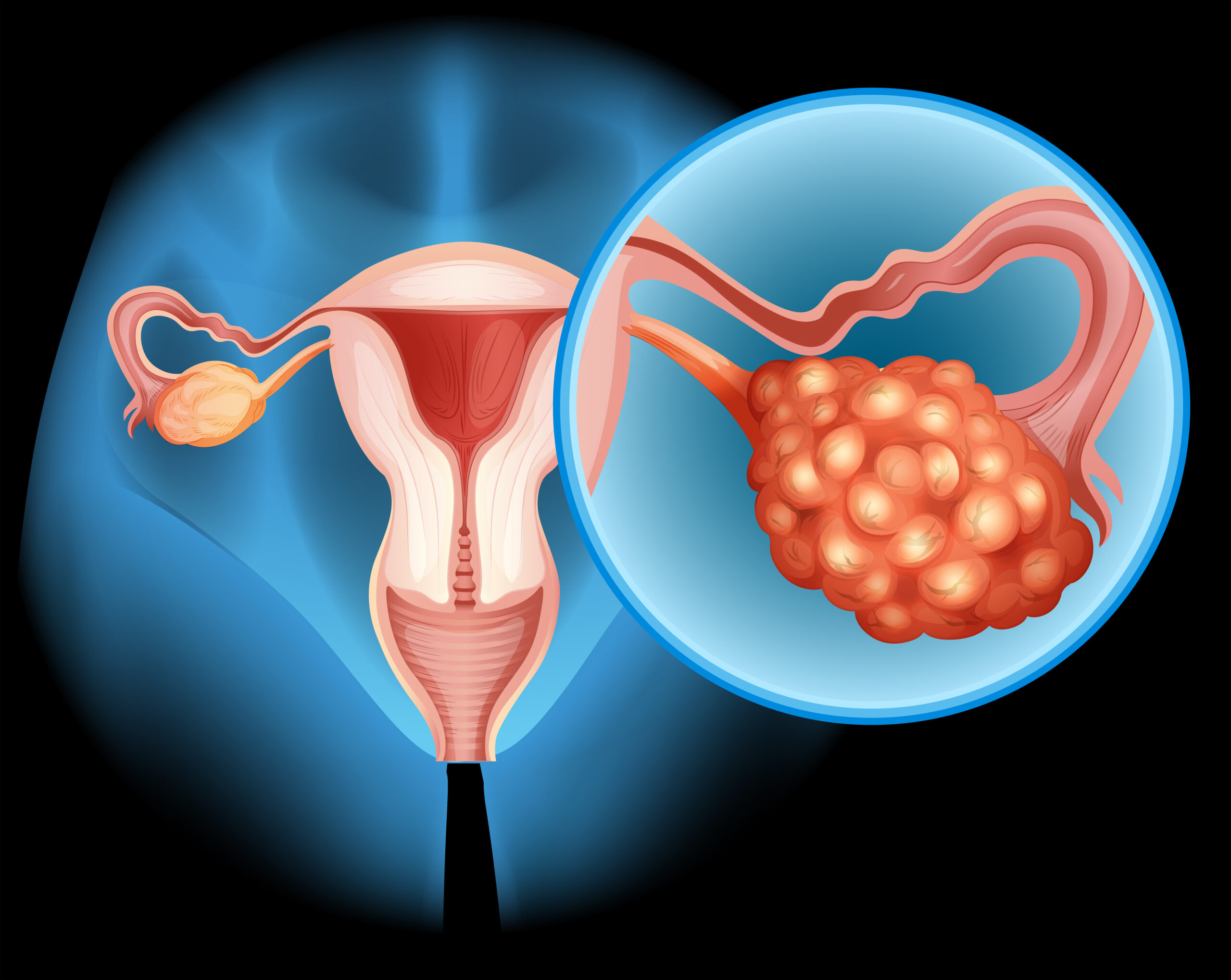
What Is Endometriosis?
Endometriosis is a health condition where tissue similar to the lining inside the uterus grows outside it. This tissue can cause pain, heavy periods, and sometimes fertility problems. Many women experience symptoms, but the exact cause is still not fully understood. However, learning about the leading causes of endometriosis can help you understand your risk and seek help early.
Why Understanding Causes Matters
Knowing what leads to endometriosis is important. For example, it can help you spot early signs and get treatment sooner. In addition, understanding the causes can guide doctors in finding the best care for you. Early action often leads to better results. Therefore, learning about risk factors is a smart step for your health.
Leading Causes of Endometriosis
Researchers have found several possible causes and risk factors for endometriosis. While the exact reason is not always clear, the following are the most common:
Genetics and Family History
First, genetics play a big role. If your mother or sister has endometriosis, you may have a higher risk. Studies show that the condition can run in families. So, knowing your family history is important. According to the World Health Organization (WHO), genetics may explain why some women develop endometriosis while others do not.
Hormonal Factors
Hormones, especially estrogen, are linked to endometriosis. Estrogen helps the tissue grow, both inside and outside the uterus. Because of this, women with higher estrogen levels may be more likely to get endometriosis. Hormonal changes during puberty or certain treatments can also increase risk. The Centers for Disease Control and Prevention (CDC) notes that hormone balance is key in this condition.
Immune System Disorders
Sometimes, the immune system does not work as it should. When this happens, the body may not remove tissue growing outside the uterus. As a result, endometriosis can develop or get worse. Some experts believe that immune system problems make it harder for the body to fight off this misplaced tissue.
Retrograde Menstruation
Retrograde menstruation is another possible cause. In this process, menstrual blood flows backward into the pelvis instead of leaving the body. This blood can carry tissue cells that stick to organs outside the uterus. Over time, these cells can grow and cause endometriosis. However, not everyone with retrograde menstruation develops the condition, so other factors must also play a part.
Environmental Factors
Some studies suggest that chemicals in the environment may raise the risk of endometriosis. For example, exposure to certain toxins or pollutants might affect hormone levels. These changes can make it easier for endometriosis to develop. More research is needed, but it is wise to avoid harmful chemicals when possible.
Other Possible Risk Factors
Each of these factors may increase your risk. However, having one or more does not mean you will get endometriosis. It simply means you should watch for symptoms and talk to your doctor if you have concerns.
Recognizing the Signs
Although this blog focuses on causes, knowing the signs helps you act early. Common symptoms include:
If you notice these signs, it is important to seek help. Early treatment can make a big difference.
When to See a Doctor
If you have risk factors or symptoms of endometriosis, do not wait. For instance, talk to a gynecologist if you have ongoing pain or heavy periods. Early diagnosis can help manage symptoms and protect your health. Remember, only a doctor can confirm endometriosis and suggest the right treatment for you.
Consult Dr. Harmanpreet Kaur for personalized advice about endometriosis.