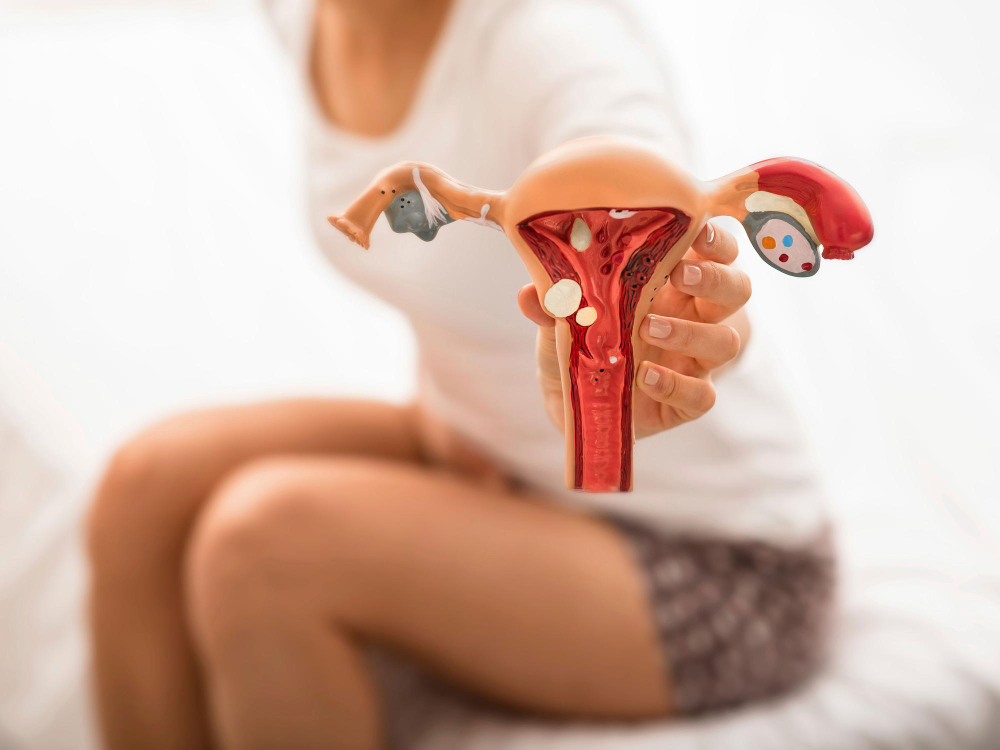
What Are Fibroids?
Fibroids are non-cancerous growths that form in or on the uterus. Many women have them at some point. In fact, the World Health Organization notes that up to 70% of women may develop fibroids during their lives. There are different types of fibroids, such as:
Although most fibroids are harmless, some can affect a woman’s health and fertility. Therefore, understanding fibroids and fertility is important for women planning a family.
Symptoms and Signs of Fibroids
Many women with fibroids have no symptoms. However, some may notice changes. For example, common signs include:
Sometimes, these symptoms can be mild. But for others, they can affect daily life. If you notice any of these signs, it is wise to talk to your doctor.
How Fibroids Affect Fertility and Pregnancy
Many women wonder, “Can fibroids cause infertility?” The answer depends on the size, number, and location of the fibroids. For instance, fibroids inside the uterus can block the fallopian tubes or change the shape of the womb. As a result, it may be harder to get pregnant. In some cases, fibroids can also cause problems during pregnancy, such as:
However, many women with fibroids have healthy pregnancies. Still, it is important to discuss fibroids and pregnancy with your doctor if you are planning to conceive.
Diagnosis of Fibroids in Women Concerned About Fertility
Doctors use several methods to find fibroids. First, they may ask about your symptoms and medical history. Next, they often do a pelvic exam. In addition, they may use imaging tests, such as:
Early diagnosis helps doctors plan the best fibroids treatment for women who want to have children.
Treatment Options for Fibroids with a Focus on Fertility Preservation
Treatment depends on your symptoms, age, and plans for pregnancy. Some women do not need treatment if fibroids are small and cause no problems. But if you have symptoms or want to get pregnant, options include:
Doctors usually avoid hysterectomy (removal of the uterus) if you wish to have children. Therefore, always discuss your options with a gynecologist who understands fibroids and fertility.
Lifestyle Tips and Prevention Strategies
While you cannot always prevent fibroids, some healthy habits may help lower your risk. For example:
Although these steps cannot guarantee prevention, they support your overall health and may reduce fibroid growth.
When to Consult a Gynecologist
It is important to see a gynecologist if you:
Early advice can help you understand your options. Moreover, it can improve your chances of a healthy pregnancy.
Conclusion
In summary, fibroids and fertility are closely linked for many women. While fibroids can cause symptoms and affect pregnancy, many women still have healthy babies. If you have concerns about fibroids and pregnancy, do not wait. Consult Dr. Harmanpreet Kaur for personalized advice on fibroids and fertility.