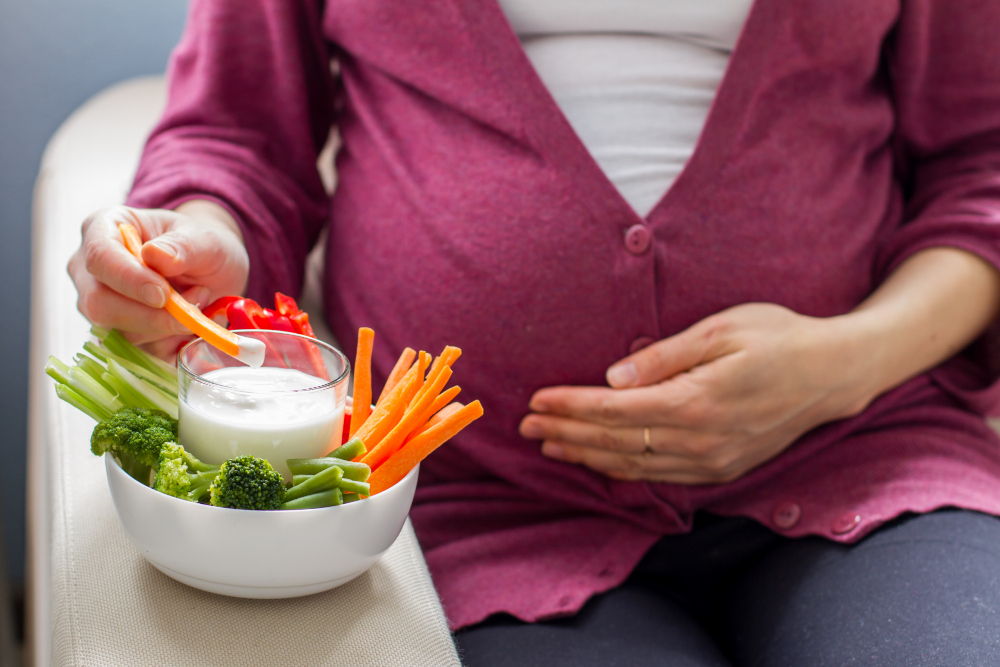
What is Gestational Diabetes?
Gestational diabetes is a type of diabetes that develops during pregnancy. It means your blood sugar levels become higher than normal. Usually, this condition appears in the second or third trimester. However, it often goes away after the baby is born. Still, it is important to manage it well. According to the CDC, about 2% to 10% of pregnancies in the United States are affected by gestational diabetes. Early care can help keep both mother and baby healthy.
Why Diet Matters in Gestational Diabetes
Diet plays a key role in managing gestational diabetes. When you eat the right foods, you can help control your blood sugar. In fact, a healthy diet can lower the risk of problems for both you and your baby. For example, eating balanced meals helps keep your energy steady. Also, it can help you avoid sudden spikes or drops in blood sugar. Because of this, doctors often recommend a special meal plan for gestational diabetes.
Key Dietary Guidelines
Following simple dietary rules can make a big difference. Here are some important guidelines:
Moreover, try to eat at the same times each day. This helps your body manage sugar better.
Foods to Eat and Avoid
Foods to Eat
Foods to Avoid
For local options, you can choose whole wheat chapati, brown rice, or fresh seasonal vegetables.
Sample Meal Plan Ideas
Planning meals can help you stay on track. Here are some simple ideas for a gestational diabetes diet:
Always adjust portion sizes to your needs. If you have questions, ask your healthcare provider.
Tips for Managing Blood Sugar
Managing blood sugar is important for a healthy pregnancy. Here are some helpful tips:
Additionally, avoid skipping meals, as this can cause blood sugar swings.
When to Consult a Healthcare Provider
If you have gestational diabetes, regular check-ups are important. Contact your doctor if you notice:
Furthermore, a registered dietitian can help you create a meal plan for gestational diabetes. They can also answer questions about healthy pregnancy meals and foods for gestational diabetes.
Conclusion
In summary, following a healthy diet to deal with gestational diabetes can help you and your baby stay well. Simple changes, like eating balanced meals and choosing the right foods, make a big difference. For the best results, consult Dr. Harmanpreet Kaur at Amrit hospital Rudrapur Uttarakhand for personalized dietary advice during pregnancy.